Is your puppy ready?
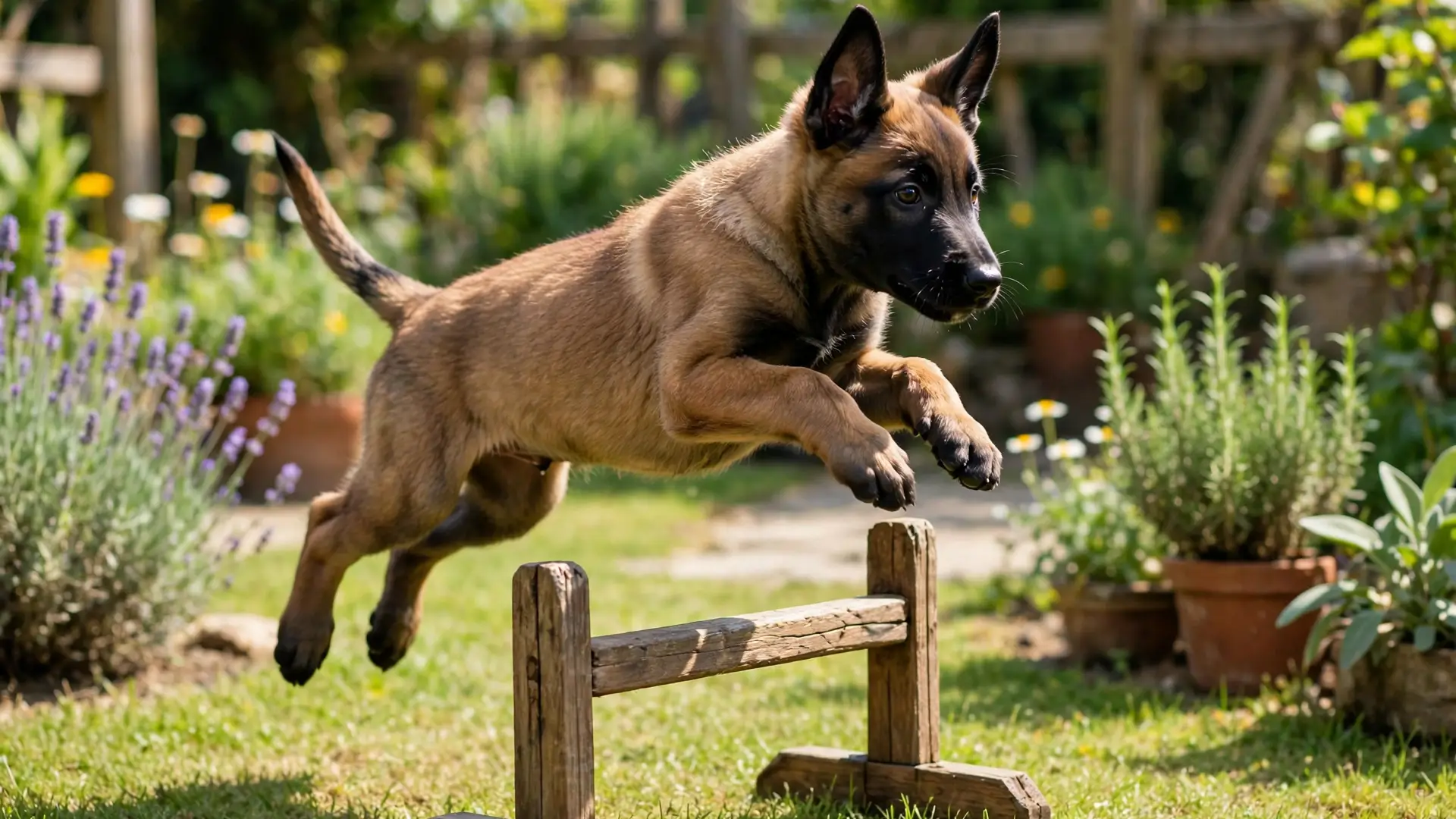
Hurdle jumping is exciting, but a puppy’s joints are still developing. As a rule, keep jumps very low, at or below wrist height, until your puppy is fully grown, and focus on the fun of going over rather than height. If your puppy is under six months, stick to ground poles and flat work. Always check with your veterinarian before starting any jumping activity, especially for large breeds that mature slowly.
Start with a pole on the ground
Begin with a jump pole resting on the ground, not raised at all. Walk your puppy over it on a leash, rewarding each crossing with a treat and cheerful praise. Keep sessions short, just a few minutes, and always end while your puppy is still enthusiastic. The goal at this stage is simple: poles on the ground are fun, and crossing them earns wonderful things.
Raise it gradually
Once your puppy trots over the ground pole confidently, raise it just a few centimeters, so low they barely notice the change. Reward generously. Increase height in tiny steps over many sessions, never rushing. If your puppy knocks the pole or hesitates, lower it again and rebuild confidence. A knocked pole should be no big deal: laugh, reset, and try again at an easier height.
Add the cue
When your puppy is happily hopping a low hurdle, add a verbal cue like “jump” or “over” just as they take off. Say it once, cheerfully, and reward the landing. Dogs learn the word by hearing it paired with the action, so timing matters more than repetition. Soon your puppy will hear the cue and light up, knowing exactly what fun job is coming.
Keep it safe and fun
Use hurdles with displaceable poles that fall if hit, never fixed bars. Train on soft, non-slip surfaces like grass, and avoid repetitive jumping on hard ground. Watch for fatigue: a tired puppy jumps sloppily and risks injury. Two or three short sessions a week is plenty. The moment it stops being fun for either of you, stop for the day.
Vet disclaimer
This guide offers general information only and is not veterinary or behavioral advice. Puppies’ growth plates close at different ages depending on breed and size, so ask your veterinarian when jumping is appropriate for your individual dog. Stop any activity that causes limping, reluctance, or pain, and seek veterinary advice promptly.